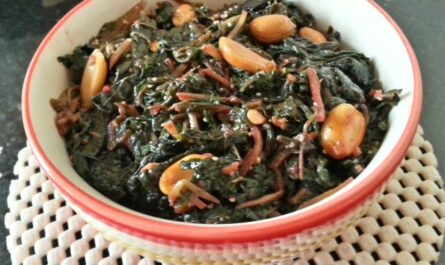
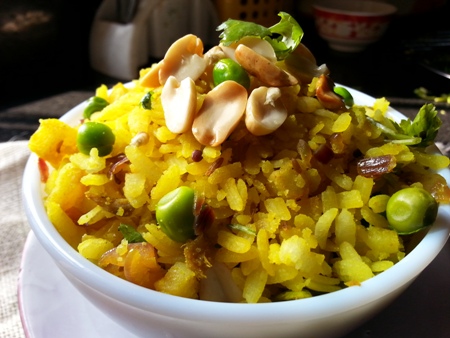
Peanuts for Brain Power — who would’ve thought your favorite crunchy snack could double as brain food? These humble legumes are now stealing the spotlight in brain health research, showing surprising links to better memory, sharper focus, and stronger blood flow to the brain. 🧠✨
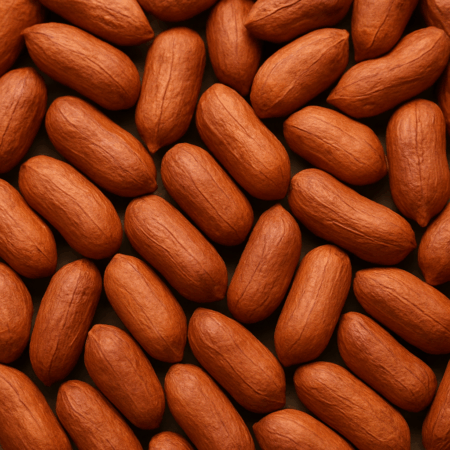
Recent studies reveal that peanuts—especially unsalted, skin-on roasted ones—may help support cognitive function and vascular health, especially in older adults. That means your handful of peanuts might be doing more than just satisfying your snack cravings—it could actually be feeding your neurons!
Let’s crack open the science (and a few shells) to see how these crunchy little powerhouses help keep your mind sharp, your memory strong, and your heart happy.
Peanuts for Brain Health
Researchers at the Institute of Nutrition and Translational Research in Metabolism (NUTRIM), Maastricht University Medical Center in the Netherlands, discovered that eating unsalted, skin-roasted peanuts can significantly enhance brain vascular function and boost memory. Their findings were published in the international peer-reviewed journal Clinical Nutrition.
As we get older, the blood vessels that support the brain can start to function less efficiently, raising the risk of cognitive decline and dementia. Sadly, dementia is a growing global health concern. According to Alzheimer’s Disease International, an estimated 78 million people will be living with dementia by 2030, and that number is expected to climb to 139 million by 2050.
Peanuts For Brain Power
Why Your Brain (and Blood Vessels) Might Thank You for Peanuts
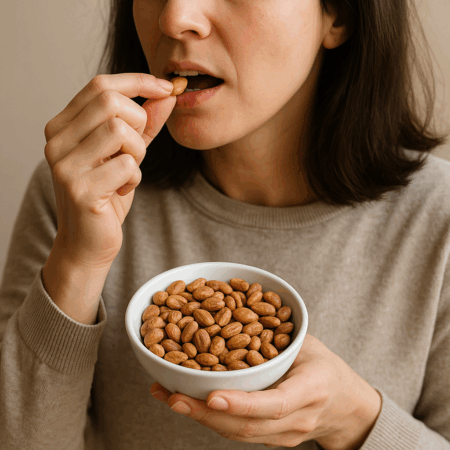
- Better brain blood flow = better brain performance
A recent trial found that adults aged 60-75 who ate 60 g of unsalted, skin‐roasted peanuts daily for 16 weeks showed a 3.6 % increase in global cerebral blood flow (CBF) and a 5.8 % improvement in verbal memory compared to when they didn’t eat those peanuts.
What does that mean? More blood flowing to your grey matter = more oxygen & nutrients = your neurons get a bit of extra love. The study also found improved blood flow in the frontal and temporal lobes—key spots for memory and other cognitive functions
- The smart compounds hiding in the skins
Peanuts have a gang of brain-and-vessel-friendly compounds:
- L-arginine: An amino acid involved in the production of nitric oxide, which helps dilate blood vessels. The peanut‐trial authors pointed out that peanuts are “particularly rich” in L-arginine.
- Unsaturated fats & polyphenols: These support vascular health (i.e., the health of your blood vessels), reduce oxidative stress and inflammation.
- Dietary fiber & plant protein: In particular, the skins of peanuts hold extra fiber and plant compounds (antioxidants) that may add extra punch.
While the brain benefits are still being nailed down, good vascular health helps brain health, so peanuts contribute across the board.
- Bonus: Heart & vessel health links
One reason the brain might benefit is because the blood supply system is also part of the cardiovascular system. Improvements in blood pressure and vessel flexibility (seen in peanut research) may indirectly benefit the brain.
Peanut Power: What Does This Mean for You?
Here’s the takeaway in simple terms:
- Snacking on peanuts (especially unsalted, skin-on, roasted) can be a smart move—not just tasty—when it comes to brain and vascular health.
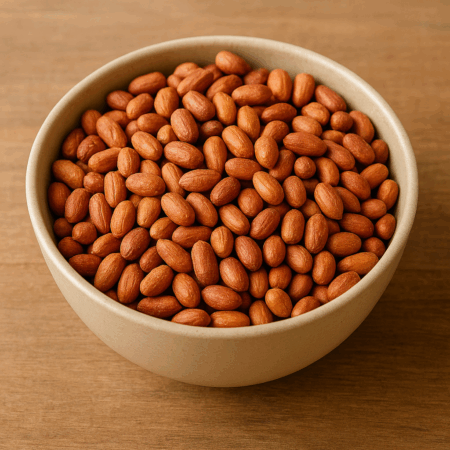
- The skin of the peanut matters (yes, that thin brown outer peel): it holds extra antioxidants and fiber. The study specifically used skin-roasted
- The dose used in research: about 60 g/day (approximately two servings) for older adults, for 16 weeks. While that’s a structured trial amount, even partial adoption may have benefits.
Tips for Enjoying Peanuts Smartly
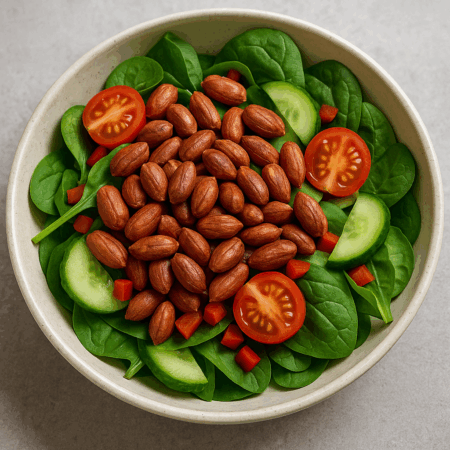
- Choose unsalted & skin-on: The research emphasises “unsalted, skin-roasted peanuts” for maximal effect. Salt itself doesn’t help with vascular health, so go natural.
- Watch portions: Nuts (and peanuts) are calorie-dense. A handful (~30 g) is a good snack portion; if you go up to ~60 g, factor it into your daily energy intake.
- Balance the snack: Pair peanuts with fresh fruit or vegetables to round out the snack.
- Mind any allergies: Peanuts are a common allergen—if you’re allergic or uncertain, don’t start big.
- Integrate into your meals: Mix peanuts into salads, stir-fries, yoghurt; or eat as a snack.
- Consider timing: The study allowed the participants to consume the peanuts “in the morning or afternoon” or spread them out.
Fun Ways to Add Peanuts in Everyday Life
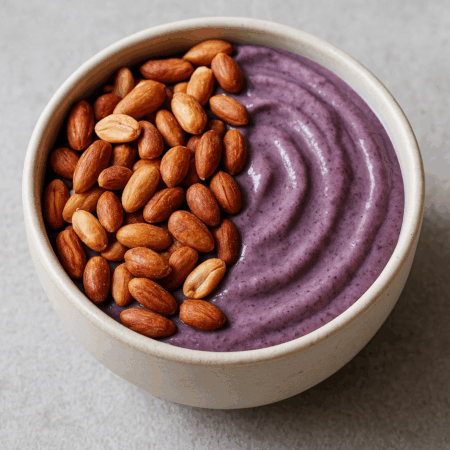
- Crunchy topping: Sprinkle roasted skin-on peanuts on your oatmeal or smoothie bowl.
- Peanut stir-fry: A stir-fry with veggies + peanuts + tofu/chicken gives a texture boost.
- Snack mix: Combine peanuts + lightly salted roasted chickpeas + dried fruit for a brain-friendly snack.
- Peanut butter twist: If you use peanut butter, go for the kind with skins or extra fibre, and watch portion size.
- Peanut-inspired dessert: Use crushed peanuts as topping for yoghurt + honey + berries.
Peanut Consumption: What to Keep in Mind
- The brain-improvement study was done in healthy older adults (aged 60-75) and involved a specific peanut dose & time frame.
- Not all cognitive domains improved—the study found effect on verbal memory and blood flow, but not on executive function and psychomotor speed.
- The skin-on, unsalted detail matters—so generic salted/roasted peanuts may not give the same benefit.
- As with all nutrition: peanuts are one piece of the brain-health puzzle. Sleep, exercise, mental activity, vascular health all count.
Unsalted, Skin-Roasted Peanuts: Final Crunch
Peanuts are small, humble, and crunchy—but mighty. They deliver a tasty snack, and emerging science suggests they help keep brain blood flow humming, support memory, and bolster vascular health. If you treat your brain to a handful of unsalted, skin-on peanuts a few times a week (or more!), you’re not only enjoying a snack—you might be powering your mind.
Still, don’t expect them to be magic beans (or nuts)—they’re one smart component in a bigger brain-health strategy. So next time you reach for that jar of roasted peanuts, feel good knowing: you’re feeding your brain too. 🧠🌰
Peanuts for Brain Power—simple, affordable, and deliciously smart! 🥜💡