Notun Gurer Payesh is winter in a bowl — warm, creamy, nostalgic, and fragranced with the magical sweetness of freshly harvested notun gur (new date palm jaggery). This iconic Bengali dessert isn’t just food; it’s an emotion tied to celebrations like Poush Parbon, birthdays, and every special “shubho” moment in a Bengali home. One spoonful and you’ll understand why Bengalis wait all year for this liquid gold.
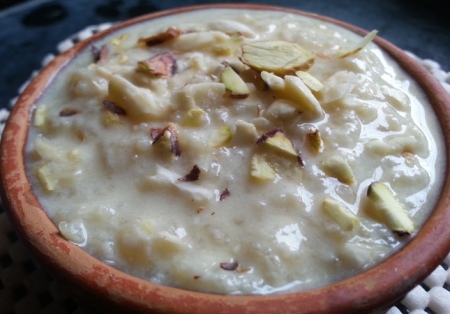
Notun Gurer Payesh is a beloved Bengali dessert that holds a special place in the hearts of food enthusiasts. This creamy rice pudding, infused with the rich flavors of date palm jaggery, is a staple during festive occasions and celebrations in Bengal. The term “notun gur” refers to the fresh jaggery made from date palm sap, which gives this dessert its unique taste and aroma.
This Bengali dessert is a traditional Bengali rice pudding flavoured with date palm jaggery. In this traditional payesh recipe, Notun/Nolen/Kejur Gur is used as the sweetener. Since this date palm jaggery is usually available in wintertime, it is called as Notun (New) Gur (Jaggery).
Kheer or Payesh is a rice pudding prepared with milk, rice/vermicelli/broken wheat and sugar/jaggery and flavoured with cardamom, cashew nuts, raisins, pistachios, almonds or saffron. It is an indispensable dish in most Hindu feasts/festivals and celebrations.
Kheer is usually made for special occasions. The term Kheer comes from the Sanskrit words Ksheeram, meaning milk. Similarly, Payesh (Bengali) or Payasam (Telugu) originate from the Sanskrit word Payasa/Payasam meaning milk. Some also add a little bit of heavy cream for a richer taste. It is often garnished using almonds, cashews, raisins and pistachios.
✅ What Is Notun Gur?
Notun Gur (also called Nolen Gur or Khejurer Gur) is freshly tapped date palm jaggery made only during the winter months in Bengal. It comes in two forms:
- Patali Gur – solid, caramel-like jaggery blocks
- Jhola Gur – pourable, syrupy liquid jaggery with intense aroma
Its unmistakable smoky, caramel-like depth is what transforms a simple rice pudding into the legendary Notun Gurer Payesh.
Health Benefits of Date Palm Jaggery
While Notun Gurer Payesh is undoubtedly a treat for the taste buds, it also offers some health benefits:
- Rich in nutrients: Date palm jaggery is a good source of iron, calcium, and other minerals.
- Weight loss: Date palm jaggery has high high potassium content which helps with weight loss
- Natural sweetener: Jaggery is considered a healthier alternative to refined sugar.
- Digestive aid: Date palm jaggery stimulates digestive enzymes, which help in digestion and nutrient absorption
- Energy booster: Date palm jaggery helps fight fatigue and provides a natural source of energy
Notun Gurer Payesh Recipe:
Notun Gurer Payesh is the heart of every winter celebration in Bengal. This classic Bengali payesh recipe uses aromatic Gobindobhog rice, slow-simmered milk, and smoky date palm jaggery, giving you the most authentic Bengali rice pudding recipe.
Notun Gurer Payesh is more than just a dessert; it’s a celebration of Bengali culture and culinary tradition. Its rich, creamy texture and the complex sweetness of date palm jaggery make it a truly special treat. Whether you’re celebrating a festival, hosting a dinner party, or simply craving a comforting dessert, this Bengali Payesh recipe is sure to impress.
Date palm jaggery flavoured rice pudding is a simple blend of aromatic rice, milk and jaggery. Winter is the time for Notun Gur (date palm jaggery) in West Bengal and many dishes are made using date palm jaggery as the main ingredient. Notun Gur is the season’s fresh jaggery.
Typically, the rice used is Gobindo Bhog Chaal – a short-grained sticky rice variety grown in West Bengal.
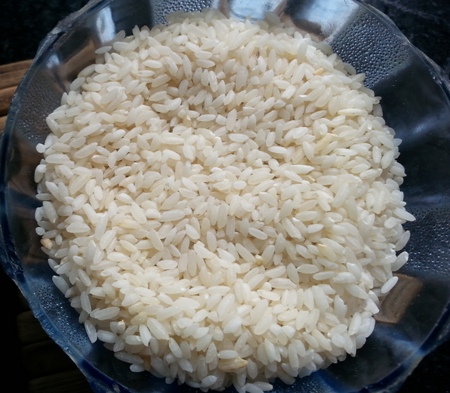
- To prepare this Chaler Payesh, first wash and soak rice for about half-an-hour. Then drain the water and add a teaspoon of ghee to the rice. Keep aside.
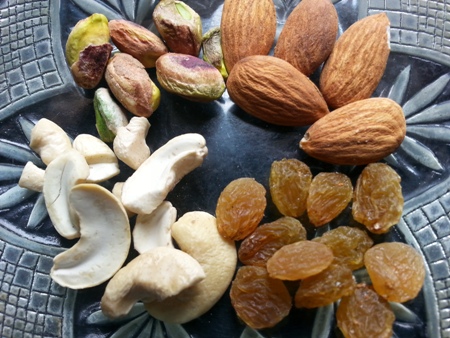
- Next soak cashew nuts and raisins in water for about ten minutes. Blanch and de-skin almonds. Slice the pistas and almonds into slivers.
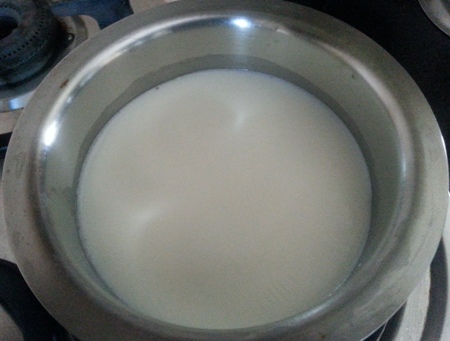
- Heat milk in a large pan and bring it to a boil.
- Lower the heat and add pre-washed rice to it.
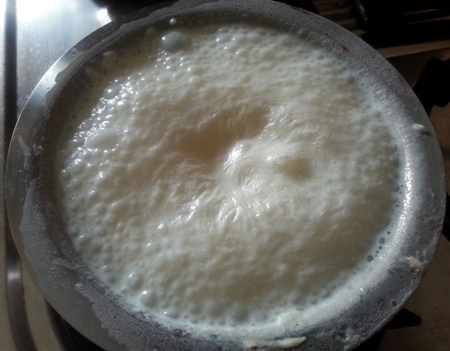
- Allow to simmer till the milk reduces in quantity and turns a pale ivory colour. Check if the rice is cooked.
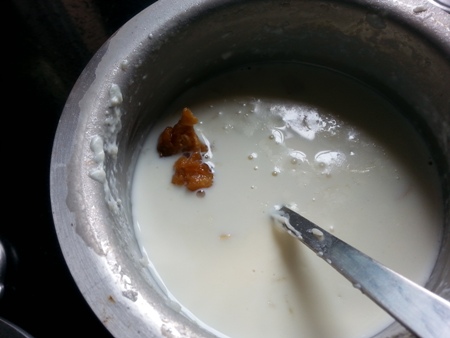
- Once the rice is done and the payesh attains a semi-thick consistency, put off the flame. Stir in the date palm jaggery.
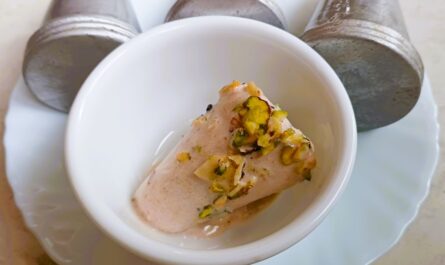
- Garnish Bengali Notun Gurer Payesh with almond and pistachio slivers and serve chilled.
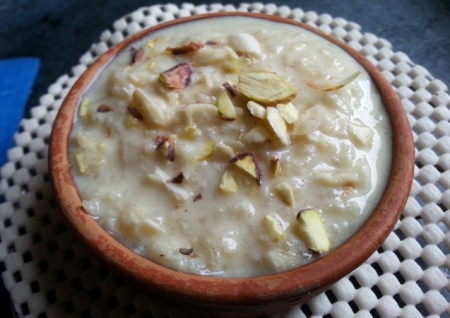
Want more creamy desserts like this? Explore my curated Payesh Recipes for classic and modern variations, like Sitaphal Payesh
Notun Gurer Payesh Serving Suggestions
To elevate your Notun Gurer Payesh experience, consider these serving and presentation tips:
- Serve the Payesh either warm or chilled, depending on personal preference and the weather.
- Garnish with chopped nuts, a sprinkle of cardamom powder, or a drizzle of extra jaggery syrup.
- Use traditional clay pots or decorative bowls for an authentic touch.
- Pair with crispy snacks like mathri or nimki for a delightful contrast in textures.
- For a modern twist, serve in small shot glasses as a dessert tasting course.
Remember, presentation can enhance the overall experience of enjoying this beloved Bengali dessert.
Variations of Bengali Payesh
While Notun Gurer Payesh is a classic, there are several other delicious variations of Bengali Payesh:
- Chaler Payesh: A simpler version made with regular sugar instead of jaggery.
- Narkel Payesh: Coconut Payesh, which incorporates grated coconut for added texture and flavor.
- Chirer Payesh: Made with flattened rice (chira) instead of regular rice, offering a different texture.
- Kacha Amer Payesh: A unique summer variation that uses green mangoes for a tangy twist.
Each of these variations offers a unique flavor profile, allowing you to explore the diverse world of Bengali Payesh.
✅ Chef’s Tips
✅ Use full-fat milk for the richest texture.
✅ Always cool the milk before adding jaggery.
✅ Gobindobhog rice gives the traditional aroma essential to an authentic Bengali kheer recipe.
✅ Add Nolen Gur in small amounts and adjust sweetness only after cooling.
⭐ You Might Also Love
- 🟠 Til Laddu – Sesame Jaggery Energy Bites
Warm, nutty, and packed with winter goodness — a must-try traditional sweet! - 🌾 Lapsi – Broken Wheat Sweet Pudding
A comforting, earthy dessert made with ghee-roasted dalia and jaggery. - 🍯 Chakkara Pongal – South Indian Sweet Pongal
A festive rice-lentil sweet cooked with jaggery, ghee, and cardamom.
Bengali Rice Kheer With Jaggery Recipe details below:
Notun Gurer Payesh Bengali Recipe
Ingredients
- Gobindo Bhog Rice – 2 tbsp
- Full Cream Milk – 500 ml
- Notun Gur/Date palm jaggery – 2-2 ½ tbsp
- Raisins – 1 tsp
- Cashew nuts – 1 tsp
- Almonds – 1 tsp
- Pistachios - 1 tsp
- Ghee – ½ tsp
Instructions
- Wash and soak the rice for 30 minutes. Drain and mix in one tsp of ghee to the washed and drained rice.
- Soak raisins and cashews in water for 10 mins. Blanch almonds and remove skin. Slice almonds and pistachios into slivers. Keep aside.
- Heat milk in a large vessel. Once it starts to boil, add the rice and cook till the milk reduces in volume and starts to thicken. Keep stirring intermittently to prevent the milk from boiling over and to keep the rice from sticking to the bottom of the vessel.
- Once the rice is done, and you get the desired consistency, add the cashew nuts and raisins. Mix well and remove from stove.
- Slowly blend in date palm jaggery till the payesh takes on a uniform brownish colour. Garnish with almond and pistachio slivers.
- Allow the rice pudding to come to room temperature, pour in serving bowls and refrigerate.
- Serve Bengali Notun Gurer Payesh chilled.
Notes
- You can add bay leaf and crushed green cardamoms to the milk while boiling. However, to enjoy the distinct flavour of notun gur, it’s best avoided.
If this Bengali Payesh brought back memories, 🐚💫 share, comment, and follow to keep the traditions alive!
3 thoughts on “Notun Gurer Payesh – Bengali Chaler Payesh With Jaggery”